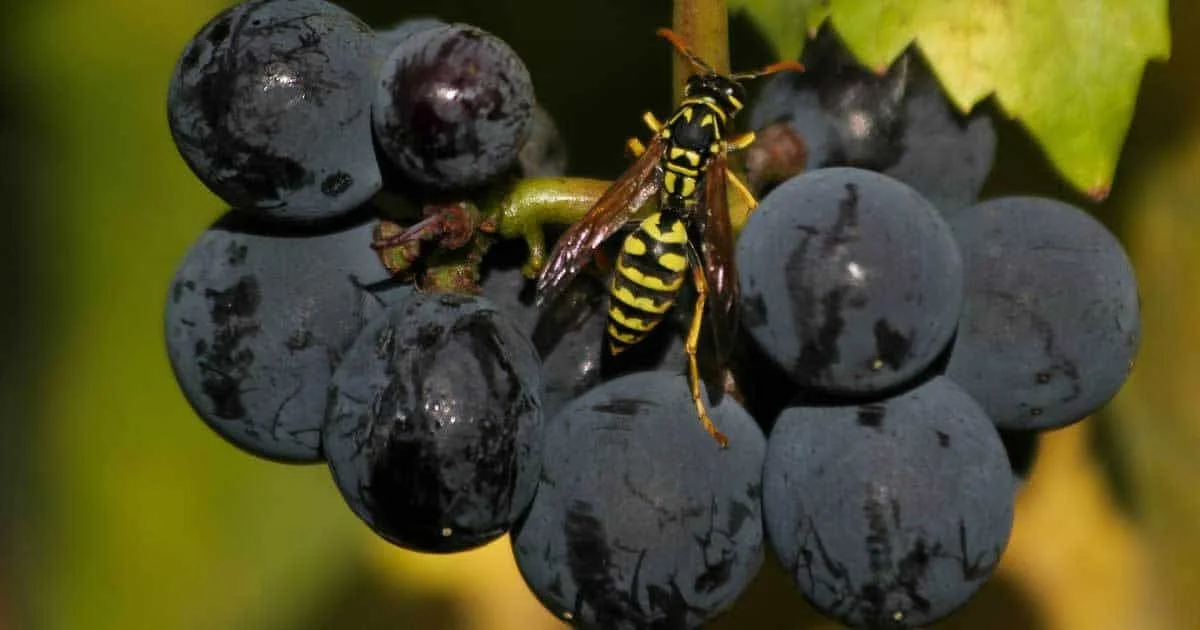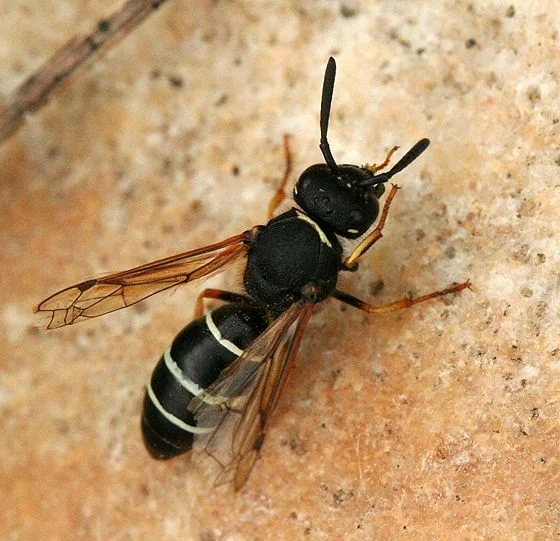
Few insects cause as much alarm as the black wasp. With their dark coloring and fast flight, they’re often mistaken for aggressive hornets. But should you be worried? At Eco Pest, we clear up the confusion—explaining how to identify black wasps, what their behavior really means, and when professional help is the safest option.
What Is a Black Wasp?
The term “black wasp” doesn’t refer to just one species. It can describe several types of dark-colored wasps, including:
- Great Black Wasp (Sphex pensylvanicus) – A large, solitary wasp with a shiny black body.
- European Hornet (Vespa crabro) – A social wasp with dark brown and yellow markings.
- Cicada Killer Wasp (Sphecius speciosus) – A massive ground-nesting wasp that preys on cicadas.
When people report seeing a big black wasp, it’s usually one of these species.
How to Identify a Black Wasp
Physical Features
- Color: Deep black or very dark brown (sometimes with faint yellow or white markings).
- Size: ¾ to 2 inches long, depending on the species.
- Wings: Smoky or dark wings that fold lengthwise when resting.
- Body Shape: Slender, with the narrow “waist” typical of wasps (unlike fuzzy bumblebees).
⚠️ If you see a black-and-white wasp, it may be a bald-faced hornet—technically a type of yellowjacket.
Nest Types
- Great Black Wasps: dig solitary burrows in soil.
- European Hornets: build paper nests in hollow trees, sheds, or attics.
- Cicada Killers: tunnel into sandy ground to raise their young.
Are Black Wasps Dangerous?
Sting Risk
- Great Black Wasps: Rarely sting unless directly handled.
- European Hornets: Can be defensive if their nest is disturbed.
- Cicada Killers: Intimidating in size, but not aggressive.
A black wasp sting is painful but generally only dangerous to those with allergies to insect venom.
Property Risk
- Most black wasps don’t harm structures.
- European hornets may chew wood fibers for nest-building, which can sometimes damage sheds, siding, or eaves.
Black Wasp vs. Other Wasps
| Feature | Black Wasp | Yellowjacket | Paper Wasp |
|---|---|---|---|
| Color | All black/dark | Black & yellow | Brown with yellow |
| Size | ¾–2 inches | About ½ inch | About ¾ inch |
| Aggressiveness | Low | High | Moderate |
| Nest Location | Ground/trees | Underground/voids | Under eaves, structures |
How to Keep Black Wasps Away
Natural Deterrents
- ✔ Spray peppermint oil around entry points.
- ✔ Hang fake wasp nests (they avoid competing colonies).
- ✔ Remove food sources like ripe fruit and open garbage.
Safe Removal
- Small, solitary nests may be handled with caution at night, when wasps are less active.
- For larger colonies—especially hornets near homes—it’s best to call Eco Pest for safe, eco-friendly removal.
🚫 Never swat at a large black wasp—it can provoke stings and increase defensive behavior.
Final Thoughts
While black wasps may look intimidating, most are harmless unless provoked. By learning to identify them and practicing safe prevention, you can reduce risk without harming these beneficial insects. If black wasps or hornets are nesting too close to your home, Eco Pest provides safe, eco-conscious removal solutions to keep your space protected.